Our Mission
Save Seeds.

Protect Seeds.

Share Seeds.

Organic Seed Savers works to preserve, adapt, and protect the genetic diversity of seeds while cultivating a community of seed savers dedicated to regenerative agriculture, ecological stewardship, and food sovereignty.
How we do this: The best way to preserve and adapt seed genetics is to get open-pollinated seeds into as many hands as possible. Through free seed distribution, seed saving classes, seed cleaning workshops, and free educational resources, we equip individuals and communities with the knowledge to grow, save, clean, and share seeds. By empowering more people to become seed stewards, we help protect biodiversity, strengthen local food sovereignty, and preserve resilient seed genetics for generations to come.
Adapt Seeds.

As our climate continues to change, growers are facing increasing challenges from extreme heat, unexpected frosts, drought, floods, and shifting growing seasons. Conserving and growing diverse, open-pollinated seed populations allows crops to adapt over time to local conditions, strengthening their resilience for future generations. By keeping seeds in cultivation and in the hands of communities, we help ensure our food systems remain adaptable, diverse, and prepared for the climate challenges ahead.
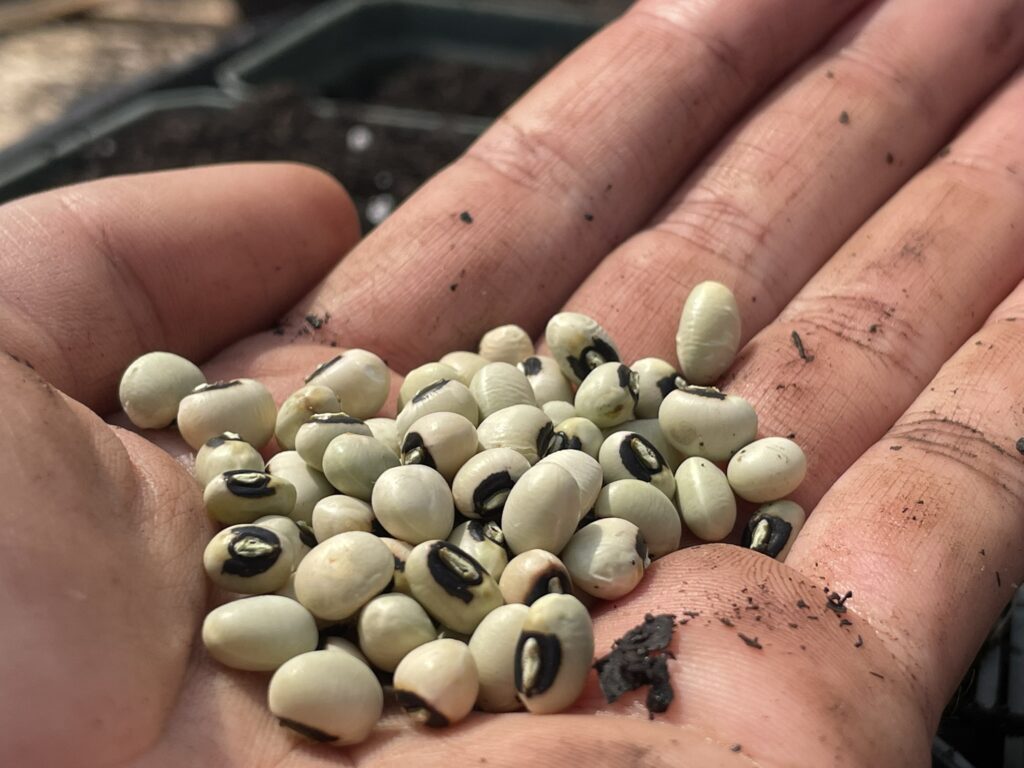
Adapting open-pollinated varieties means saving seeds from the plants that perform best in your own garden and allowing each generation to become better suited to your soil, climate, and growing conditions. A genetically diverse population contains a wide range of traits: some plants may tolerate drought more effectively, others may resist disease, and some may mature before an early frost. By saving seeds from those resilient individuals, each generation gradually becomes better adapted to local conditions. In contrast, narrow, genetically uniform crops lack this diversity, which is one reason industrial monocultures often rely so heavily on chemical inputs to withstand environmental stresses that a diverse population could naturally overcome.
This is why seed preservation and seed adaptation belong together.
Preservation keeps the full library of seed genetics alive, protecting the rare, regional, and resilient traits we may not need today but could depend on tomorrow. Adaptation draws from that living library, allowing each generation to become better suited to its place and time. Every seed variety carries the story of countless hands that carefully selected, saved, and shared it through the generations. When we save seed, we don’t simply preserve that story, we write its newest chapter.

Questions? Email us at seeds@organicseedsavers.org