Our Story:
Organic Seed Savers was officially incorporated as a 501(c)(3) nonprofit in 2025.
Kyle Tucker, Trevor Hartwick, Anya Zeng, and Casley Rivers all came together to help build the foundation and mission of OSS. Through our shared values and backgrounds in community gardening, our team intentionally organized around the principles of seed preservation and seed adaptation.
We believe the best way to preserve and adapt seed genetics is to get open-pollinated seeds into as many hands as possible.

In the beginning of building Organic Seed Savers, two things were clear to us:
The seed varieties most worth keeping are often the ones no seed company has reason to carry and the growers keeping them alive are frequently the ones least able to afford certification, catalogs, or shelf space.
The seed and the people saving it are pushed to the margins for the same reasons.

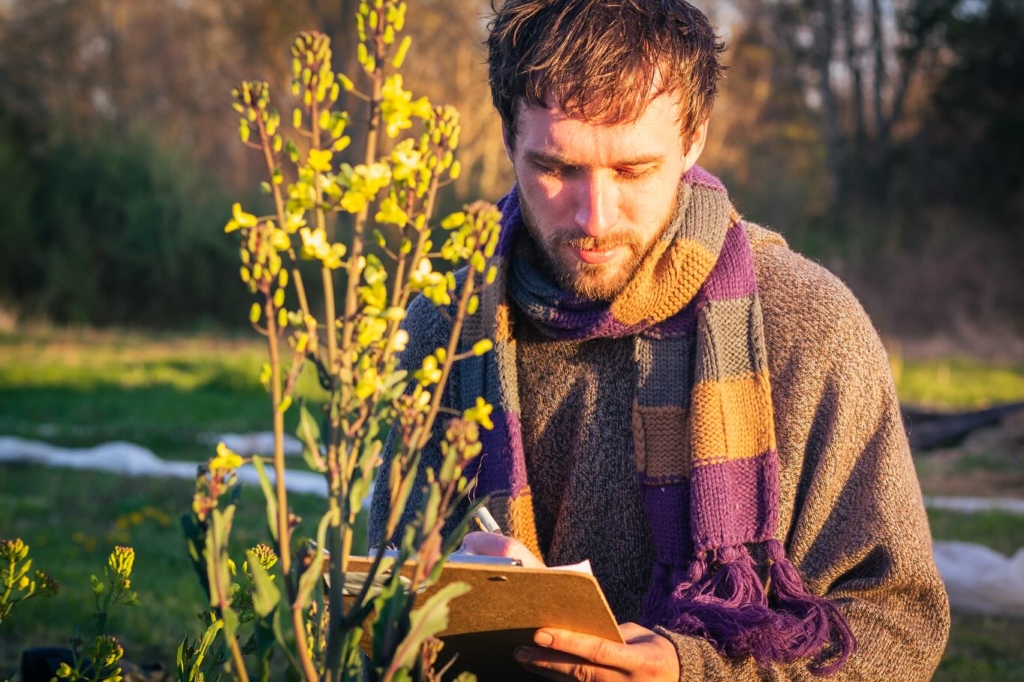
Organic Seed Savers works to help build accessibility around that gap. The model is deliberately simple: grow seed, give it away for free, teach people to save their own seeds, and build a network of growers who send seed back so that each variety adapts and circulates rather than accumulating in one place.
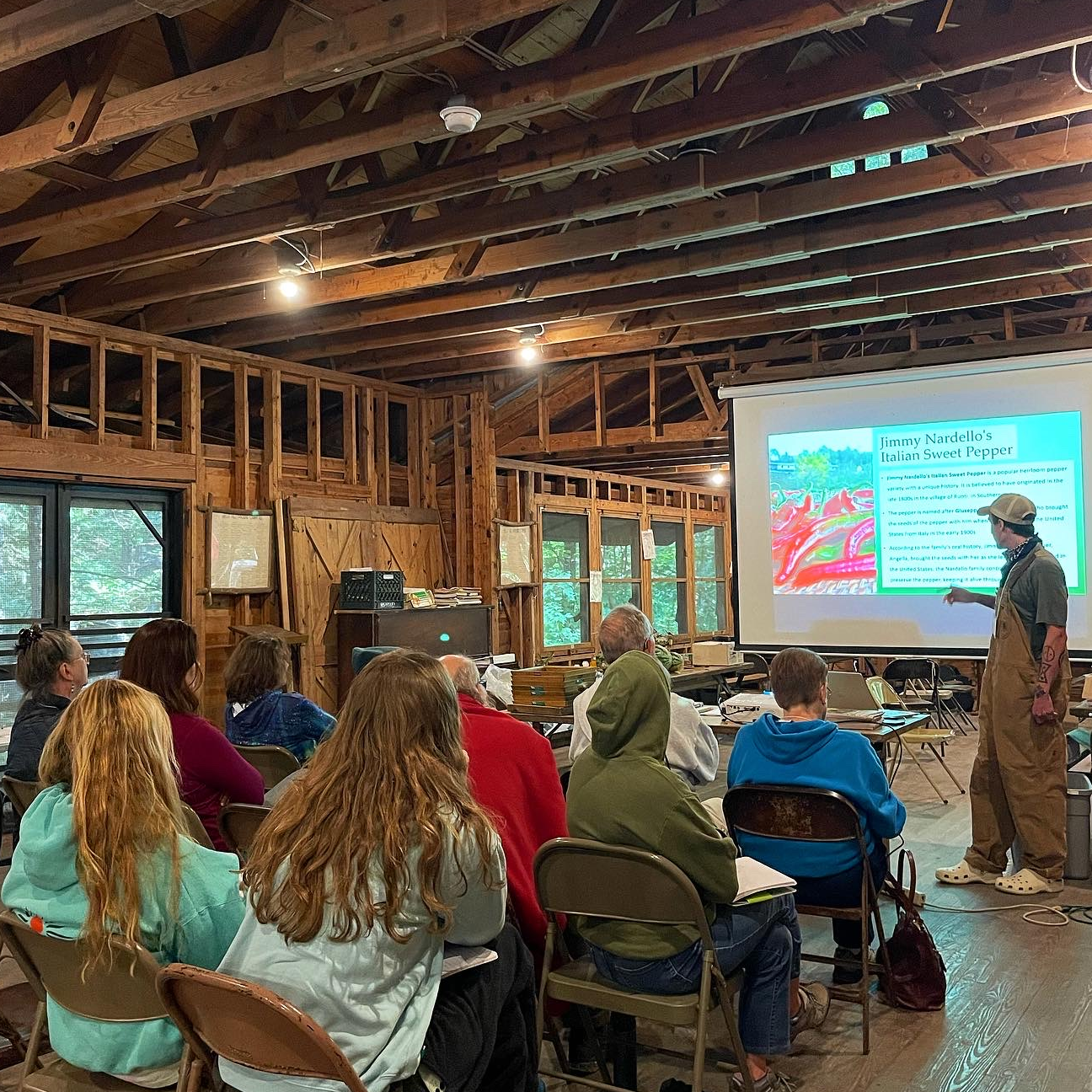
Seeds are one of the few resources that become more abundant the more they are shared. Through our Shared Seed Program and Free Seed Distribution model, a single packet can grow into hundreds of new packets as gardeners save, return, and share seed from each harvest. Rather than diminishing with use, every seed distributed has the potential to multiply, preserving open-pollinated genetics while expanding access to resilient, locally adapted varieties for communities everywhere.

Our Why:
As our climate continues to change, growers are facing increasing challenges from extreme heat, unexpected frosts, drought, floods, and shifting growing seasons. Conserving and growing diverse, open-pollinated seed populations allows crops to adapt over time to local conditions, strengthening their resilience for future generations. By keeping seeds in cultivation and in the hands of communities, we help ensure our food systems remain adaptable, diverse, and prepared for the climate challenges ahead.
We do not think the answer to this is a colder freezer. Seed banks matter, and the great collections hold genetics we cannot afford to lose. But stored seed loses viability, has to be grown out and replaced, and sits disconnected from any living landscape while it waits. A variety kept only in a vault is safe and static.
The answer is more gardens.
A variety planted in many places, saved by many hands, and adapted to many conditions is far harder to lose than one held in a single collection. It also keeps improving, because every grower who selects the plants that did best is quietly steering it toward the conditions we are actually heading into. That is the work, and it is work anyone with a garden can do.

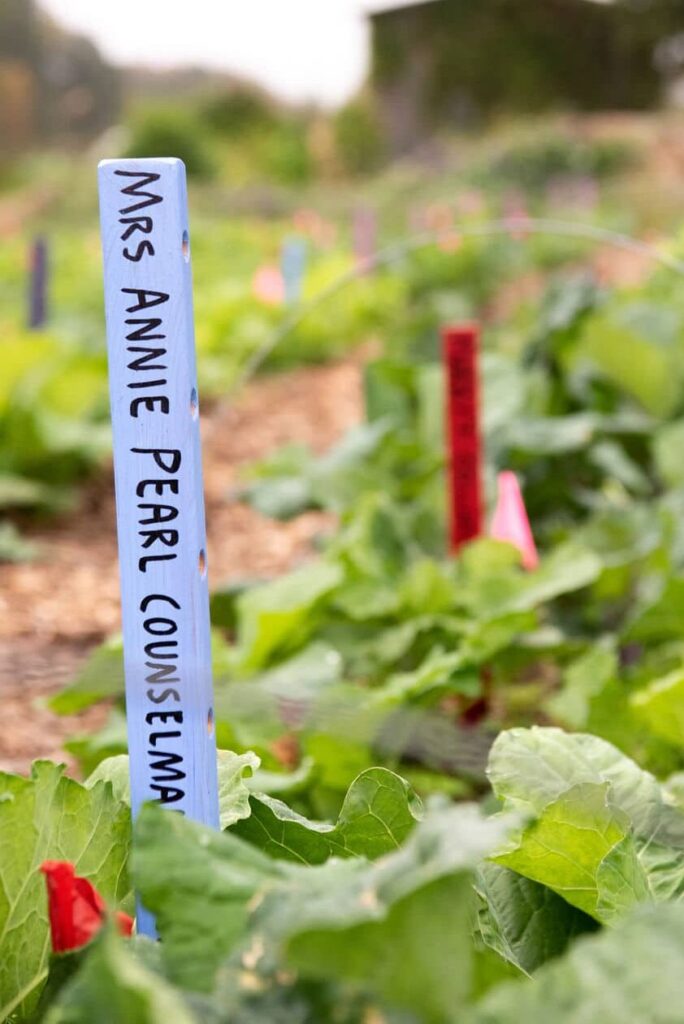
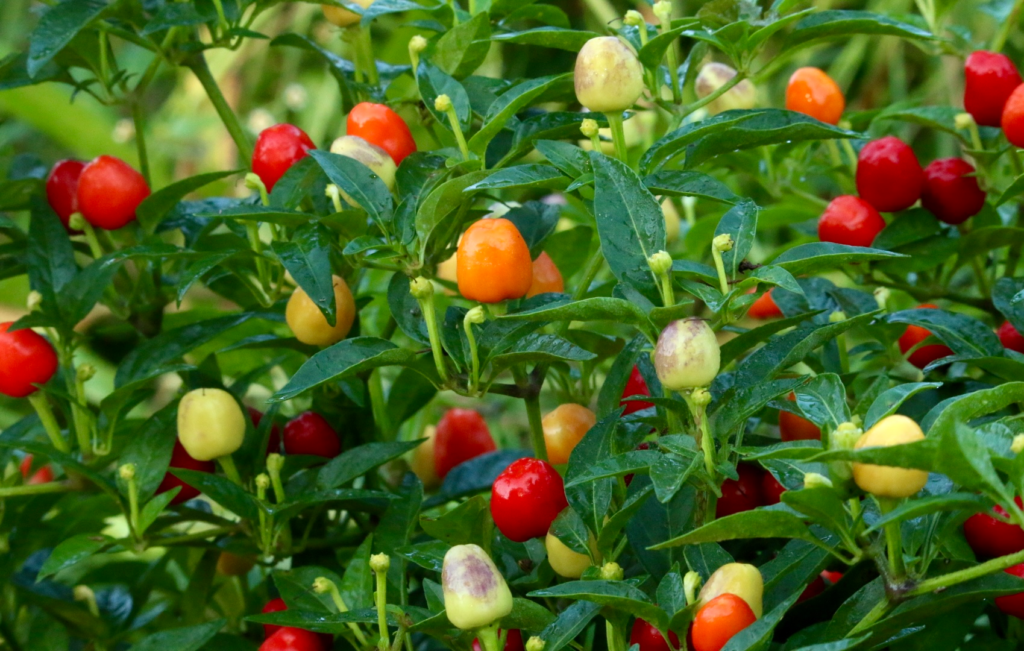
An estimated 90% of the vegetable varieties once grown in North America have disappeared over the last century. Most were not lost to disease or disaster. They were dropped from catalogs because they did not ship well, did not ripen all at once, or did not return a profit at scale.
Each variety that is lost took a particular resilience with it: a specific bean that shrugged off a wet spring, a special squash that stored all winter, a rare tomato bred over generations.
Where We’re Going:
Organic Seed Savers is in its first full year of operation. We are building deliberately, and we would rather do a small number of things well than announce more than we can deliver.
Our near-term goals:
- Expand free distribution. Grow the number of varieties available at no cost, with clear documentation of how and where each was grown.
- Publish free educational resources. Isolation distance charts, seed cleaning and processing guides, growing guides, and planting calendars, available to download at no cost.
- Fund seed increases. Partner with small growers to grow out varieties in quantity, so that supply keeps pace with demand and rare seed becomes common seed.
- Build the grower network. Connect the people who receive seed with the practice of saving it, so that varieties return to circulation instead of ending with a single planting.
- Teach in person. Seed saving classes, seed cleaning workshops, and demonstrations of organic and regenerative growing practices.
We will report publicly on this work as it develops, including the number of varieties distributed, where seed went, and what came back.
Organization Details
Organic Seed Savers is a 501(c)(3) tax-exempt nonprofit organization.
Contributions are tax-deductible to the extent allowed by law.
EIN: 41-2718138
Tax-exempt status: 501(c)(3), effective November 17, 2025
Public charity classification: 509(a)(1) / 170(b)(1)(A)(vi)
Incorporated: Oregon, November 17, 2025
Fiscal year end: December 31
Contact: seeds@organicseedsavers.org